Unlocking the front door of your first home brings an unmistakable surge of pride. The keys are yours, the space is yours, and every square foot represents a major milestone in your life. But as the excitement of moving day settles, a subtle realization begins to set in: there is no property manager to call when a faucet leaks, no landlord to fix a buzzing outlet, and no maintenance crew waiting in the wings when the heat cuts out on a freezing night. Owning real estate means stepping into the role of chief executive officer of your own physical infrastructure.
Most first-time buyers naturally direct their initial focus and budget toward cosmetic updates. It is easy to spend weekends picking out paint swatches, browsing furniture sales, or planning aesthetic enhancements that make the space look like a curated social media post. However, relying solely on surface-level cosmetic improvements while ignoring the underlying mechanical, structural, and electrical systems can lead to financial shock. Aging utilities and structural vulnerabilities do not wait for a convenient moment to fail. A neglected system can quietly degrade behind pristine drywall, turning into a sudden crisis that drains your emergency savings and damages your home.
Taking a proactive approach to foundational home improvements transforms how you experience property ownership. Rather than reacting to unexpected breakdowns with panicked late-night service calls, investing in high-priority maintenance items lets you manage your property with confidence. Addressing critical infrastructure early protects your financial investment, stabilizes your monthly operating costs, and creates a safe, reliable environment for years to come. The following guide walks through the essential systems every new homeowner must inspect, prioritize, and upgrade to build a resilient, long-lasting home.
Securing Your Home’s Power and Safety Systems
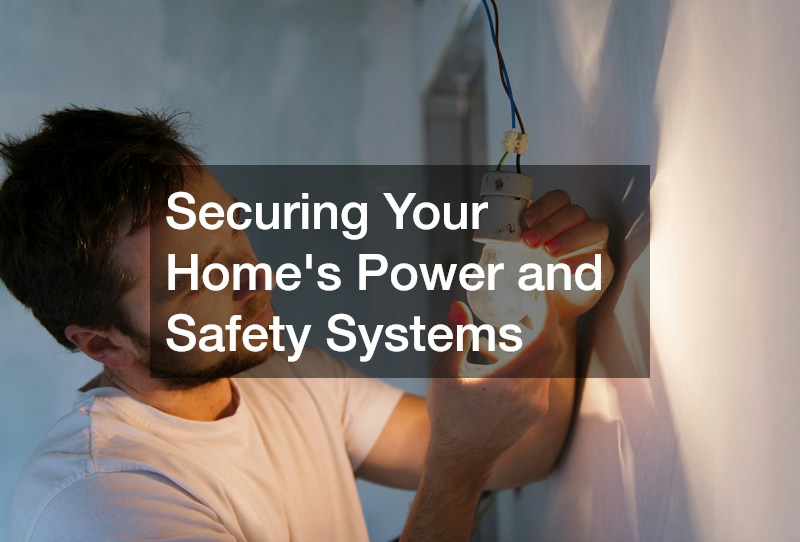
Modern domestic life depends heavily on electrical power. Between home offices, high-capacity kitchen equipment, electric vehicle chargers, and complex entertainment systems, today’s households demand significantly more power than homes built just a few decades ago. When an older electrical system attempts to keep up with contemporary lifestyle demands, the result is rarely just minor inconvenience; it presents a genuine safety hazard.
Evaluating your electrical infrastructure starts with paying attention to subtle warning signs in your daily routine. Do your lights dim slightly whenever the refrigerator compressor kicks on? Are you constantly hunting for open outlets or relying on daisy-chained power strips across living rooms? Do specific circuit breakers trip whenever you run a hairdryer and a space heater at the same time? These symptoms point to a system operating at or near its safe capacity threshold.
When your power needs exceed what your main distribution board can handle, scheduling an electrical panel upgrade with a qualified professional should top your priority list. Many homes built in the mid-to-late twentieth century were equipped with 60-amp or 100-amp service panels, which simply cannot comfortably handle modern electrical loads. Upgrading to a standardized 200-amp panel expands your home’s capacity, reduces thermal strain on older breakers, and provides the necessary physical space to add dedicated circuits for heavy-duty appliances.
Executing a proper electrical installation involves more than just swapping out the main box, however. It requires a holistic review of your home’s overall wiring health, grounding systems, and safety devices.
Conducting a Whole-Home Electrical Safety Review
- Locate your main breaker box and inspect the interior door for clear, accurate labeling of every circuit in the home.
- Check every outlet in high-moisture zones—such as kitchens, bathrooms, basements, and exterior walls—to verify that Ground Fault Circuit Interrupter protection is active and testing properly.
- Schedule an inspection with a licensed electrician to evaluate aluminum wiring, outdated knob-and-tube setups, or ungrounded two-prong outlets that may linger in older properties.
- Integrate dedicated, heavy-duty circuits for major draws like induction ranges, central climate units, and garage equipment to keep general lighting circuits stable.
- Install a whole-home surge protective device directly at the main panel to safeguard sensitive smart electronics and major appliances from grid power spikes.
Taking these structural electrical steps guarantees that as your household technology grows, your home remains entirely safe, code-compliant, and fully capable of delivering stable power without interruption.
Protecting the Building Envelope from Water and Weather
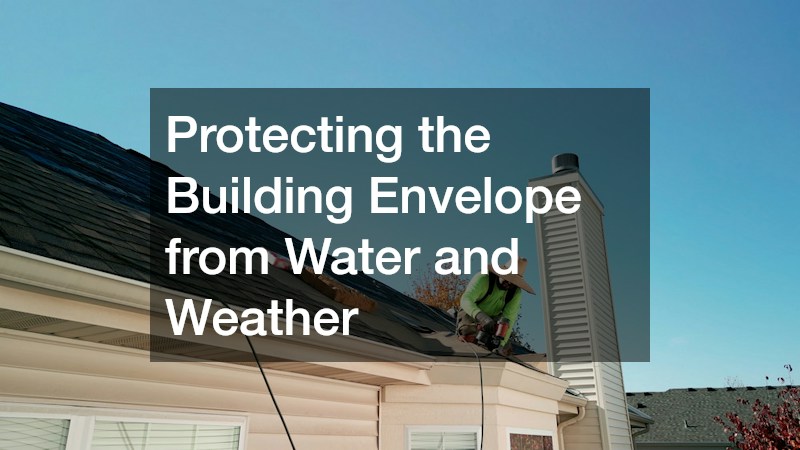
A house is only as durable as its exterior shell. The building envelope—comprising your roof, exterior walls, siding, windows, and perimeter doors—serves as the primary barrier against rain, snow, wind, and ambient temperature extremes. Once moisture compromises this barrier, structural framing rots, insulation loses its thermal resistance, and toxic mold colonies begin to thrive in concealed cavities.
Consider a common scenario: after a prolonged winter storm, a slight discoloration appears on an upper-level bedroom ceiling. It looks minor, almost cosmetic, so it gets put on a back burner. By spring, that faint stain has softened the drywall, destroyed adjacent attic insulation, and rotted a section of plywood roof sheathing beneath the shingles. What could have been a quick flashing fix has metastasized into a multi-thousand-dollar remediation project.
Preventing water intrusion requires vigilance and a willingness to repair or replace exterior components before total failure occurs. While routine maintenance like clearing gutters and resealing trim joints buys time, every exterior material has a finite operational lifespan. If your roof is approaching two decades of service, showing widespread granule loss, or exhibiting curled and missing asphalt shingles, arranging a complete roof replacement is the single most effective action you can take to shield your financial investment. Replacing an aging roof creates a tight seal against weather and preserves the structural integrity of your entire attic and living space.
Windows and entryways form another critical boundary in the building envelope. Old, single-pane units or multi-pane assemblies with compromised perimeter seals continuously leak conditioned interior air while letting outside humidity creep indoors.
Identifying Envelope Vulnerabilities and Solutions
- Visible draft movement around window frames during windy days indicates deteriorated perimeter caulking or failing structural frames.
- Heavy condensation or fogging trapped between double-pane glass layers signals a ruptured hermetic seal, eliminating the window’s insulating value.
- Difficulty opening, closing, or locking wood or metal sash frames usually stems from settled openings, moisture swelling, or warped tracks.
- Persistent higher-than-average heating and cooling bills often trace back to low-R-value glass assemblies throughout the house.
Addressing these perimeter weaknesses through a targeted window replacement project stabilizes interior temperatures and takes a massive burden off your heating and cooling equipment. Upgrading to modern energy-efficient frames with insulated glass coatings cuts down on external noise pollution, eliminates unwanted drafts, and secures the perimeter against driven rain.
Optimizing Kitchen Mechanics and Modern Functionality

The kitchen is often described as the heart of the home, but mechanically speaking, it is closer to a heavy industrial workspace. It handles intensive daily water usage, high electrical currents, extreme heat, and constant mechanical motion. Because kitchens receive so much daily foot traffic, mechanical components in this room experience accelerated wear and tear compared to almost any other interior area.
When planning updates to a kitchen, first-time owners frequently get caught up in aesthetic design choices—custom cabinet finishes, decorative tile backsplashes, and premium countertop materials. While visual appeal matters for personal enjoyment and future resale value, focusing exclusively on appearances while ignoring aging plumbing lines and electrical outlets creates serious operational vulnerabilities beneath the surface.
A truly successful full kitchen upgrade begins beneath the finishes. It starts with replacing old galvanized or polybutylene supply lines with durable PEX or copper tubing, adding easily accessible quarter-turn shutoff valves beneath every fixture, and running fresh, dedicated electrical circuits for heavy countertop appliances. By modernizing hidden mechanical connections first, you protect your investment in high-end cabinetry and stonework from catastrophic under-sink leaks or electrical fires.
Sink infrastructure deserves special mechanical attention during any kitchen overhaul. The sink area handles continuous food preparation waste, heavy grease, and hot water, making it a frequent source of plumbing service calls if equipped with underpowered hardware.
Integrating heavy-duty garbage disposal replacements into your plumbing setup safeguards your drainage lines against frequent blockages. Low-horsepower units often jam on tough food scraps, forcing unrefined debris down the drain line where it clings to pipe walls and causes stubborn clogs deep within your plumbing stack. Upgrading to a high-horsepower unit featuring stainless steel grinding components, advanced sound insulation, and auto-reversing impellers ensures organic waste is pulverized thoroughly before entering the home’s wastewater system. Coupling a robust disposal with braided stainless steel supply lines and modern strainers creates a reliable work hub that operates daily without backing up or leaking into surrounding cabinetry.
Upgrading Essential Plumbing and Water Infrastructure
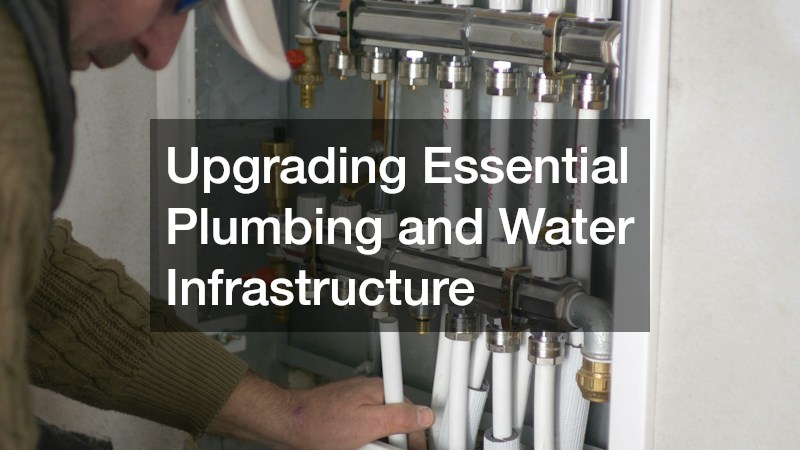
Water is uniquely destructive to residential structures. While an electrical fault usually trips a safety breaker and an HVAC breakdown causes temporary thermal discomfort, an uncontained plumbing failure actively destroys building materials every second it runs unchecked. Managing domestic water delivery and drainage requires proactive hardware upgrades long before a pipe bursts or a fixture fails completely.
Consider the life cycle of your primary domestic hot water system. Most homeowners never give their water heating equipment a second thought until they are greeted by a freezing shower on a workday morning—or worse, return home to find fifty gallons of rusty water flooded across their basement floor.
Comparative Review: Traditional vs. Tankless Hot Water Upgrades
Storage Tank Systems
- Operational Dynamics: Continuously heats and holds 40–50 gallons of water.
- Primary Advantages: Lower initial installation cost; simple mechanical design.
- Failure Vulnerabilities: Sediment accumulation; interior tank corrosion; sudden catastrophic tank rupture.
- Ideal Applications: Low-to-moderate simultaneous hot water demand on a strict upfront budget.
Tankless On-Demand Systems
- Operational Dynamics: Heats water instantaneously via high-output gas or electric exchangers.
- Primary Advantages: Endless hot water flow; compact wall-mounted footprint; lower standby energy loss.
- Failure Vulnerabilities: Mineral scaling in hard water areas without routine flushing; higher initial purchase cost.
- Ideal Applications: High-demand households seeking long-term operational efficiency and space savings.
Evaluating your home’s hot water demands helps determine whether traditional storage units or modern tankless water heater replacements make the most sense for your floor plan and budget. Tankless systems eliminate the structural risk associated with holding large volumes of standing water over living spaces while drastically lowering standby utility consumption.
Beyond water heating hardware, managing physical access points along your home’s rear or side exterior is vital for moisture control and thermal retention. Wide openings like patio access points experience heavy physical use and constant exposure to wind, rain, and direct sunlight.
Over time, older sliding doors lose their structural alignment, their weatherstripping degrades, and their bottom track drains get clogged with outdoor debris. Executing a complete glass door replacement with a factory-sealed, multi-point locking patio door system resolves multiple home performance issues at once. Modern sliding or hinged door systems feature thermal-break aluminum or composite frames, tempered low-emissivity double glazing, and precision track assemblies that slide effortlessly. This upgrade eliminates cold drafts along your interior floors, stops driving rain from seeping into subflooring, and enhances physical home security around the ground-level perimeter.
Elevating Indoor Climate Control and Property Boundaries
Maintaining consistent indoor air quality, managing humidity levels, and establishing clear physical property boundaries represent the final major pillars of holistic home maintenance. These systems dictate your daily physical comfort inside the house and define your privacy, security, and usage rights outside in the yard.
Central climate control systems operate under immense mechanical strain, especially during peak summer heat waves and winter freezes. An aging air conditioning unit running on obsolete refrigerant technology not only struggles to keep home interiors comfortable, but it also consumes an extraordinary amount of electricity in the process.
When a central cooling system reaches the end of its useful lifespan—typically between twelve and fifteen years—investing in a timely ac replacement pays immediate dividends in home comfort and operational savings. Modern seasonal energy efficiency ratio standards mean that today’s cooling systems require significantly less power to remove heat and humidity from indoor air than models built a decade ago.
Furthermore, modern multi-stage compressors and variable-speed blower motors run at lower, quieter speeds for extended periods, eliminating the harsh temperature swings and noisy start-stop cycles associated with older single-stage equipment. When paired with a properly calibrated digital thermostat and clean ductwork, a modern cooling unit maintains stable, balanced temperatures across every room in your home.
Outside the home’s interior envelope, establishing clean physical boundaries through quality hardscaping improves long-term property control and outdoor functionality.
Strategic Planning for Perimeter Fencing Projects
- Determine exact property boundaries by reviewing your land survey or hiring a professional surveyor before digging post holes near property lines.
- Check local municipal zoning ordinances and neighborhood association rules regarding allowable fence heights, setback requirements, and approved material types.
- Evaluate local environmental conditions, choosing moisture-resistant materials like pressure-treated timber, commercial-grade vinyl, or powder-coated aluminum based on soil dampness and sun exposure.
- Call local utility locator services to mark buried electrical, gas, fiber-optic, and plumbing lines prior to initiating any excavation work.
- Set structural fence posts in deep, gravel-drained concrete footings below the local frost line to prevent ground heaving from throwing the fence out of plumb over time.
Scheduling a professional fence installation secures your outdoor living space, contains pets and young children safely, provides immediate visual privacy from neighboring properties, and clearly demarcates your land boundaries for future landscaping projects.
Long-Term Maintenance Schedules and Budgeting Strategies
Completing major home upgrades is not a one-time event; it is an ongoing management strategy. Once you have brought your home’s primary electrical, structural, plumbing, and climate control systems up to modern standards, maintaining them requires consistent attention, routine inspections, and disciplined financial planning.
Developing a personalized property maintenance budget prevents future updates from creating financial strain. A time-tested rule of thumb for first-time homeowners is to set aside one to three percent of your home’s total purchase value every year into a dedicated, high-yield “Home Repair and Reserve Fund.” For a three-hundred-thousand-dollar property, this means setting a target of three thousand to nine thousand dollars saved annually. This reserve ensures that when routine mechanical components eventually reach the end of their design life, you have cash ready to address them proactively rather than relying on high-interest credit lines.
In addition to financial reserves, maintaining a physical or digital logbook for your property transforms how you manage home maintenance. Document every inspection date, service call, equipment model number, warranty agreement, and contractor invoice in one organized location.
Quarterly Home Maintenance Cadence
Spring
- Inspect exterior roof lines, flashing, and gutters for winter storm damage.
- Service central air cooling systems and replace air handler filters.
- Clear ground debris away from foundation walls and outdoor mechanical pads.
Summer
- Inspect exterior caulking around window frames and door assemblies.
- Wash and seal exterior wood structures, decks, and boundary fencing.
- Test exterior drainage grading during heavy rainstorms to ensure water flows away from foundation.
Autumn
- Service heating equipment and flush domestic water heating tanks.
- Clear fallen leaves from gutters, downspouts, and perimeter French drains.
- Inspect door sweeps, weatherstripping, and window seals for air drafts.
Winter
- Check interior plumbing supply lines in unheated areas for freezing risks.
- Monitor attic spaces for ice dam formations or unusual condensation.
- Test all smoke detectors, carbon monoxide alarms, and main electrical breakers.
Following a structured seasonal checklist breaks down home maintenance into manageable, bite-sized tasks. Catching minor wear and tear during a quarterly walkthrough prevents small issues from escalating into major structural repairs, keeping your home operating safely, efficiently, and comfortably for decades to come.
Stepping into homeownership means taking full ownership of the complex mechanical and structural systems that keep your living space safe and comfortable. While it is easy to get swept up in cosmetic decorating projects, prioritizing foundational upgrades is what truly protects your financial security and property value. By systematically evaluating your electrical capacity, strengthening your building envelope, modernizing plumbing mechanics, and maintaining efficient climate control systems, you transform your house from a source of unexpected repair stress into a reliable, high-performing home. Investing time, care, and capital into core infrastructure today ensures your home remains a source of pride, comfort, and stability for years to come.